
Real Estate in Big Ambitions 1.0
Buy the building you already use -- not the trophy you cannot staff.
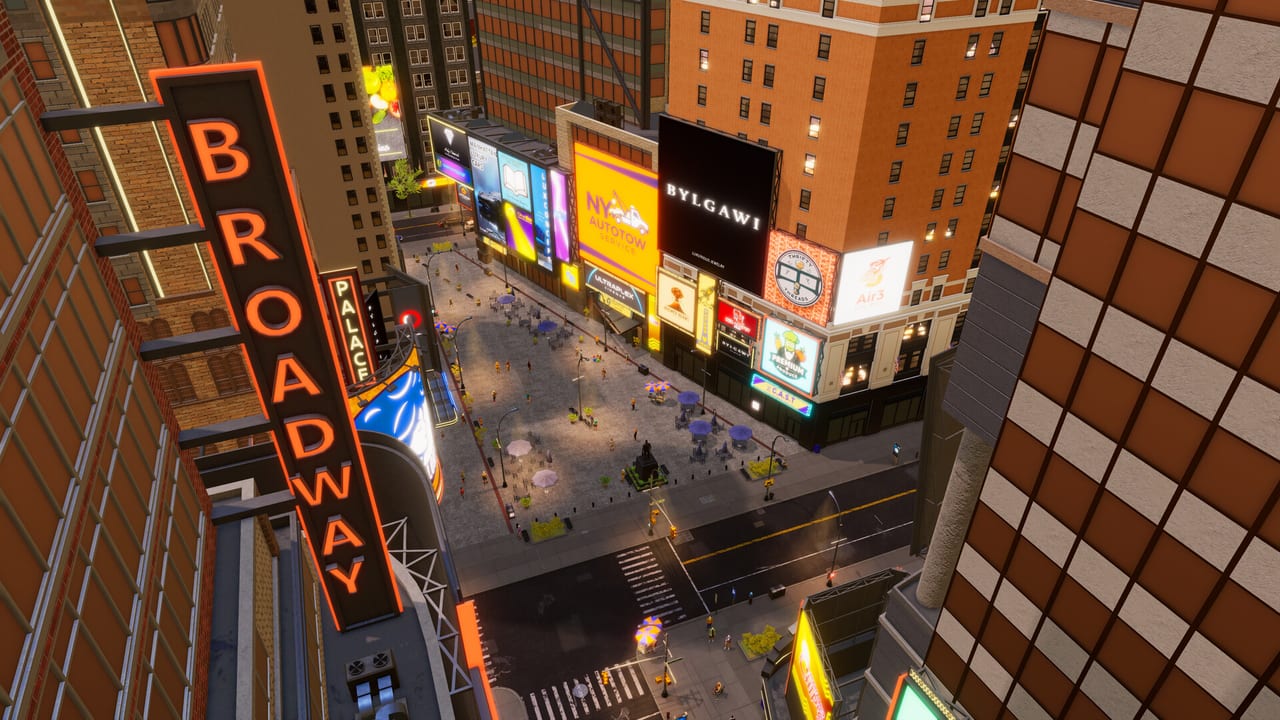
Real estate in Big Ambitions 1.0 is a tool, not a hobby. You buy property to reduce costs, capture demand, defeat rivals, and optimize tax cycles. The Hamptons mansions are the extreme end of a spectrum that starts with a used warehouse and ends with a trophy office tower. This page is the property strategy guide next to banking for the financial mechanics and housing for the residential side.
Single-player: you are the only buyer. There is no competition from other players. Rival NPCs exist but they do not bid against you in real time.
Buy versus rent: the short answer
Rent is fine until ownership makes financial sense. Ownership makes sense when:
- You live or operate in the property and the rent exceeds what a mortgage or deed would cost over the same period.
- The property is a strategic asset: a shop location you cannot afford to lose to a rival, or a warehouse near a supplier you use daily.
- 1.0 tax deductions favor property ownership in a way that shifts the math for long-term holds.
Do not buy a building as a tax totem. The deduction only applies to property you actively use. An empty Midtown tower you never visit does nothing for your tax situation.
Property types and what they do
Apartments (starter and mid-range) are primarily residential. The starter Fred apartment is correct to accept and wrong to buy on day one. After your chain prints, buying your primary residence can make sense if the deed price and maintenance costs beat the annual rent. Community figures suggest mid-range apartments range from the low millions upward depending on size and location.
Retail spaces (A1, C2, and larger) are the core business lease type. You register a shop type when you sign the lease. Buying a retail space you already lease gives you ownership of the demand at that address. This is the most common real-estate purchase and the one with the clearest financial logic: if the shop prints, the deed eventually pays for itself.
Warehouses are industrial shells used for logistics. Community notes suggest used warehouse prices vary significantly by district and condition. If you staff and run a warehouse daily, buying it removes a recurring cost and gives you a logistics node you control absolutely. See warehouses for the operational case; this page is the purchase math.
Industrial lots (P and Q lots in Industry City) are for manufacturing. These are advanced purchases that only make sense after you have a production line running. See Industry City and factories before considering a purchase in the manufacturing district.
Hamptons mansions are luxury residential at the extreme end of the market. Community listings have shown figures ranging from roughly T1-class lots around $18M up to T11-class gated docks around $85M. Your in-game listings are the accurate reference. The Hamptons is a late-game prestige purchase, not an investment. See housing for the full Hamptons case.
The rival property play
Buying out a rival’s building is one of the most powerful uses of real estate in Big Ambitions. When a rival occupies a high-traffic location you want, purchasing their building forces them to vacate. This is a legitimate endgame strategy for capturing market share in districts where open leases are scarce.
The mechanics: find the rival building in the real estate UI, make an offer, and if accepted, the rival vacates. This is faster and sometimes cheaper than waiting for a lease to expire or trying to compete on a crowded block.
The limitation: buildings are expensive. A rival gift shop in Midtown might cost more than your current net worth. The play only makes sense when you have the cash and the chain already prints enough to service the capital outlay.
Tax implications in 1.0
Property ownership in 1.0 connects to the tax cycle in ways that did not exist in earlier builds. Key points:
- Owned property can be claimed as a business asset, which affects deductions during tax week.
- The primary residence (your apartment or Hamptons house) may have different treatment than investment properties.
- Selling property triggers a capital gains calculation that interacts with your overall business net worth.
The banking page has the full tax mechanics. Read that page before making a large property purchase specifically for tax optimization.
When not to buy
- You are still learning the game. Rent keeps options open; a deed locks capital into a single address.
- The building needs more staff or renovation than you can currently afford. A cheap deed on a C2 that needs a full retrain is not cheaper than a lease.
- Your chain is still fragile. A failed shop that you own outright is a larger write-down than a failed shop you lease.
- You are buying the Hamptons because it looks fun, not because the chain already prints. See housing for the preparation checklist before that purchase.
The upgrade path for property
- Rent your starter apartment. Buy a fridge and bed, not a deed.
- Rent retail spaces until the shop proves demand. Buy the lease when the shop is clearly winning.
- Buy your first warehouse when the logistics loop is proven and the deed cost beats the annual rent.
- Consider rival property purchases when you have dominant cash flow and want to capture a specific location.
- Buy a Hamptons mansion as a late-game reward, not a progression step.
For the broader financial picture including loans, funds, and tax timing, see banking. For the residential upgrade path including Speedy Bites, energy management, and the Hamptons checklist, see housing.
Frequently Asked Questions
Quick answers to the most common questions.
Should I buy or rent property in Big Ambitions?
Rent until ownership makes financial sense: when the property generates more value than the purchase cost over time, or when you need to capture a location a rival could take.
How does buying rival property work?
Find the rival building in the real estate UI, make an offer, and if accepted, the rival vacates. This is the fastest way to capture a high-traffic location a rival occupies.
Are Hamptons mansions a good investment?
No. They are a late-game prestige purchase. The chain should already print before you consider a Hamptons house. See the housing page for the preparation checklist.
Does property ownership affect taxes in 1.0?
Yes. Owned property can be claimed as a business asset and affects deductions during tax week. See the banking page for the full mechanics before buying property for tax purposes.